Fine screened peat
For small cells, sowing and nursery filling where an even texture matters. Long-fibre and oversize removal are key parts of the grade brief.
 Build an enquiry
THE TERAL QUALITY APPROACH
Healthy growth starts below the surface. We give the physical structure, treatment and consistency of the growing medium a central place in every product brief.
Explore the parameters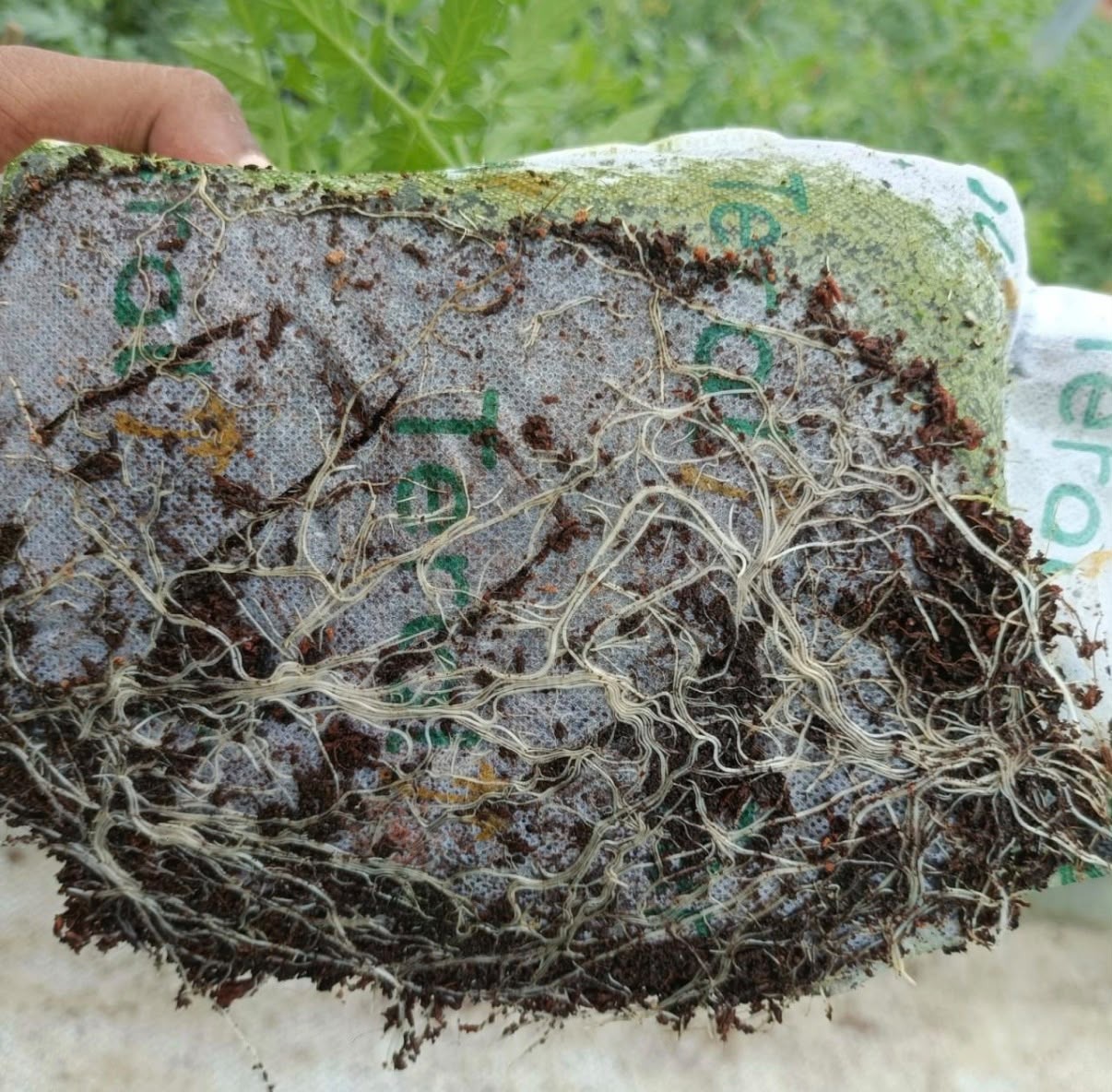
KNOW YOUR MATERIAL
Cocopeat is coconut pith.
It is different from sphagnum peat.
For small cells, sowing and nursery filling where an even texture matters. Long-fibre and oversize removal are key parts of the grade brief.
The water-retaining component in many coir products. Particle distribution matters just as much as the product name.
Small, medium and coarse fractions create different structures. Larger chips generally create larger spaces; final behaviour also depends on fines, packing and the container.
Chip sizes and peat sieve ranges are made to the agreed specification. Request a millimetre-based sieve profile and sample for your application; descriptive grades are not universal industry size standards.
SIX DETAILS WORTH DEFINING
Finer cocopeat supports close seed contact and water retention. Coarser chips create larger spaces in the mix.
We agree the required sieve profile, rather than relying on a blend name alone.
EC indicates soluble salts under a stated test method. Comparing values from different extraction methods can be misleading.
We define the EC grade and extraction method in the product specification.
Washing and buffering do different jobs. Washing reduces soluble salts; buffering conditions the exchange sites in the coir.
We distinguish low EC grades from buffered grades so the treatment is clear.
Substrate pH influences nutrient availability. It should be considered alongside water quality and the crop programme.
We agree the pH requirement and the method used to measure it.
Long fibres and oversize pieces can interfere with even tray filling. Excess fines can reduce the larger spaces between particles.
We give nursery screening particular attention and agree acceptable fractions.
Moisture, compression and settlement affect handling and volume. A bag dimension alone does not describe substrate performance.
We confirm expanded dimensions or pack volume, moisture basis and packaging before supply.
FROM REQUIREMENT TO ORDER
Tell us your crop, container, filling method and material requirements. We can discuss a sample, the appropriate product grade and the documentation needed for your order.
Measured values belong to the agreed product and test conditions. We do not infer performance figures from bag size.
Discuss your quality requirementsFURTHER READING / THE TERAL JOURNAL
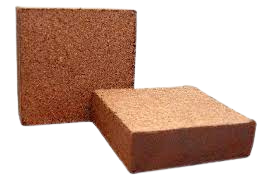
Blocks & buying value
Compare 65–75 L and 90–100 L cocopeat blocks, calculate cost per expanded litre and learn what a meaningful expansion specification should include.
Read the article
Blueberry projects
Compare Teral BLU blueberry bags in 25, 30 and 40 L formats. Understand the trade-offs in volume, handling, drainage and project planning.
Read the articleYOUR NEXT GROWING SEASON
Tell us about your crop, system and destination.
We’ll help define the product specification.