Start with the project, not a universal pot size
Teral BLU comes in 25, 30 and 40 L nominal options. These are choices for project planning, not fixed sizes assigned to a particular plant age or guaranteed yield.
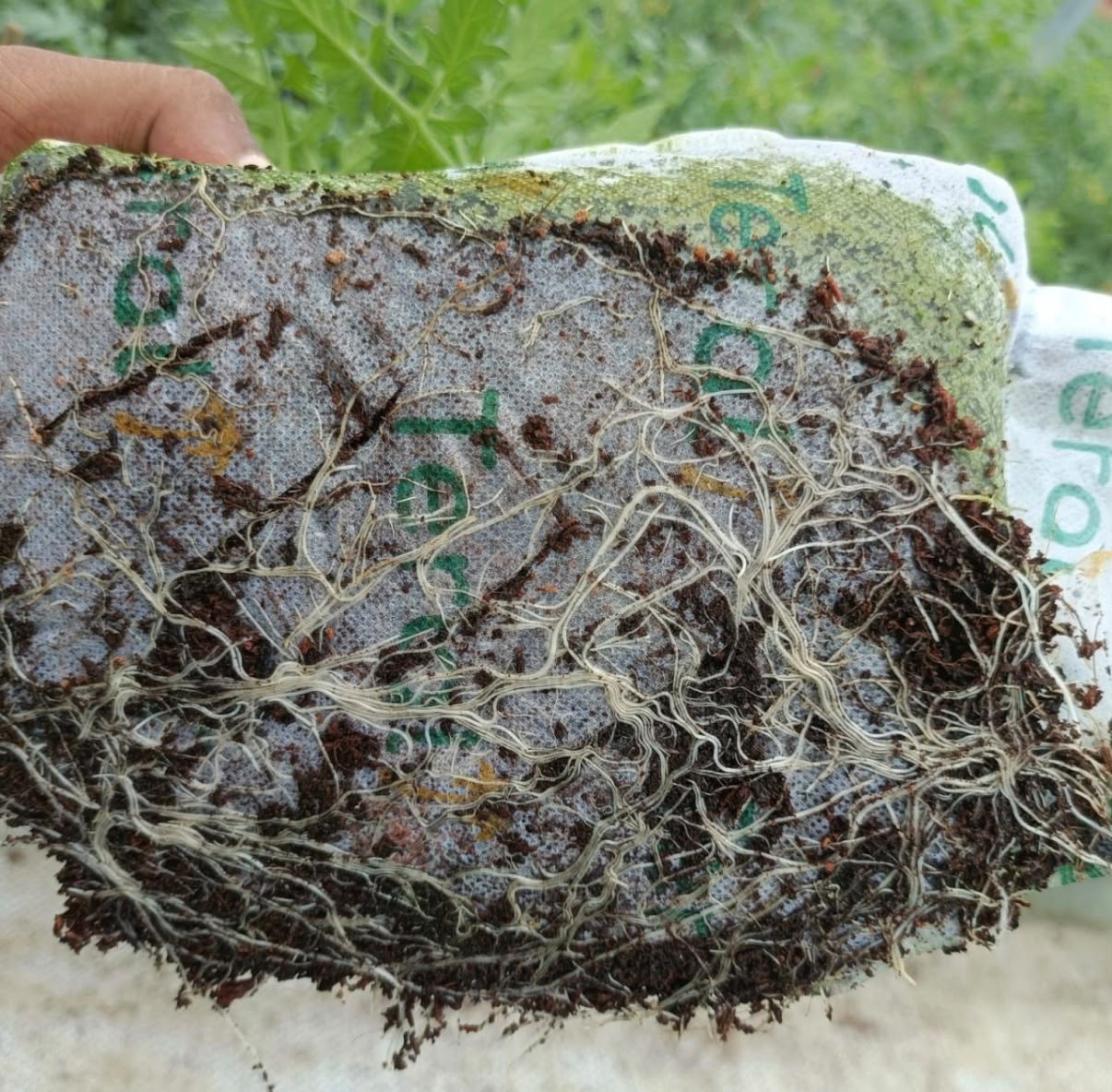
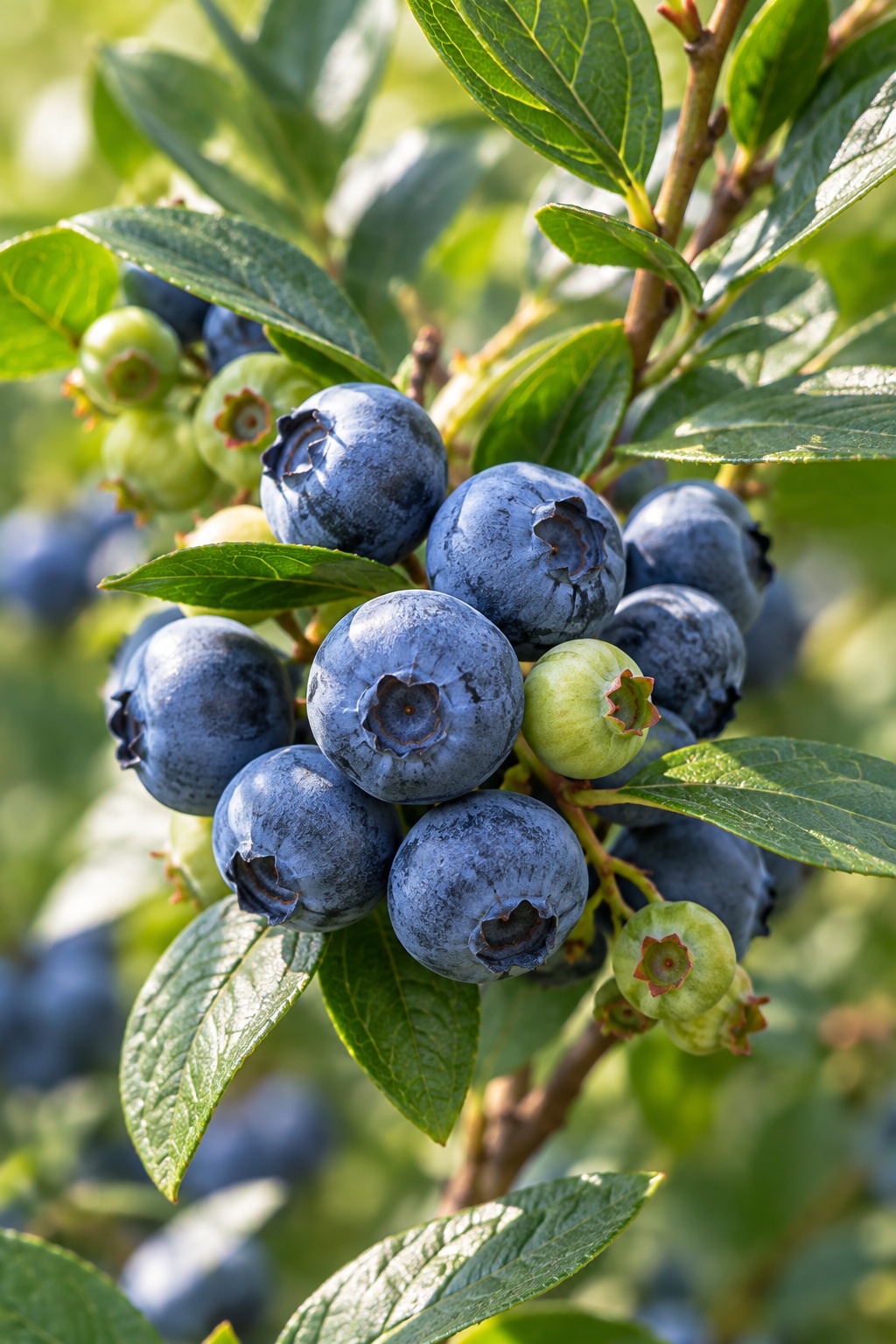
Blueberries need an appropriate root environment and good drainage. Oregon State University’s blueberry guidance highlights drainage and growing-medium suitability when using containers. It does not mean that a single container volume works for every cultivar, climate or commercial layout.
Begin by recording the nursery root-ball dimensions and the intended time in the final container. Add your row layout, support surface and handling method. Your agronomist can use that brief to assess whether the proposed volume fits the production plan.
What changes as the volume increases?
| BLU option | Planning implication | Question to resolve |
|---|---|---|
| 25 L | Lowest substrate requirement of these three sizes | Does it provide sufficient space for the planned crop period? |
| 30 L | An intermediate volume | Does the additional 5 L support the project’s container strategy? |
| 40 L | Largest nominal volume in this range | Can the layout and handling system accommodate the larger filled bag? |
A larger container needs more substrate and generally creates a heavier filled unit, but volume alone does not describe how quickly it drains. Height, particle structure and filling density also matter. A 40 L label should not be interpreted as a promise of less irrigation or a larger harvest.
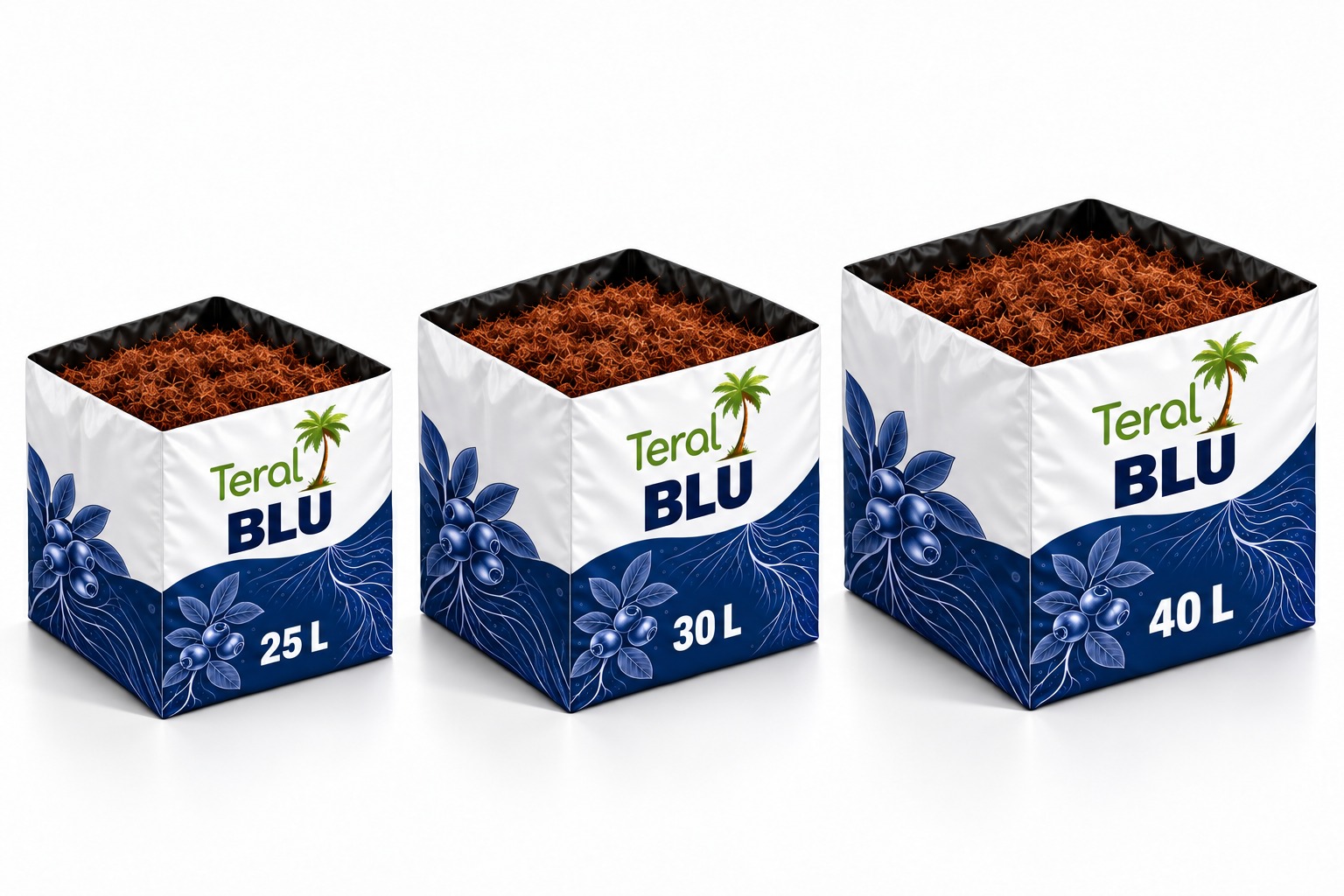
Turn the size decision into a volume plan
For 1,000 bags, nominal volumes of 25, 30 and 40 L represent 25, 30 and 40 cubic metres respectively. Moving from 25 to 40 L adds 15 cubic metres to that plan. This simple calculation makes the difference visible before you compare quotations.
These figures are planning volumes. Actual filling consumption depends on the agreed volume basis and handling. Allow for the way your team fills, settles and moves containers when validating quantities; do not assume that catalogue capacity alone predicts every operational loss.
Drainage and media belong in the same specification
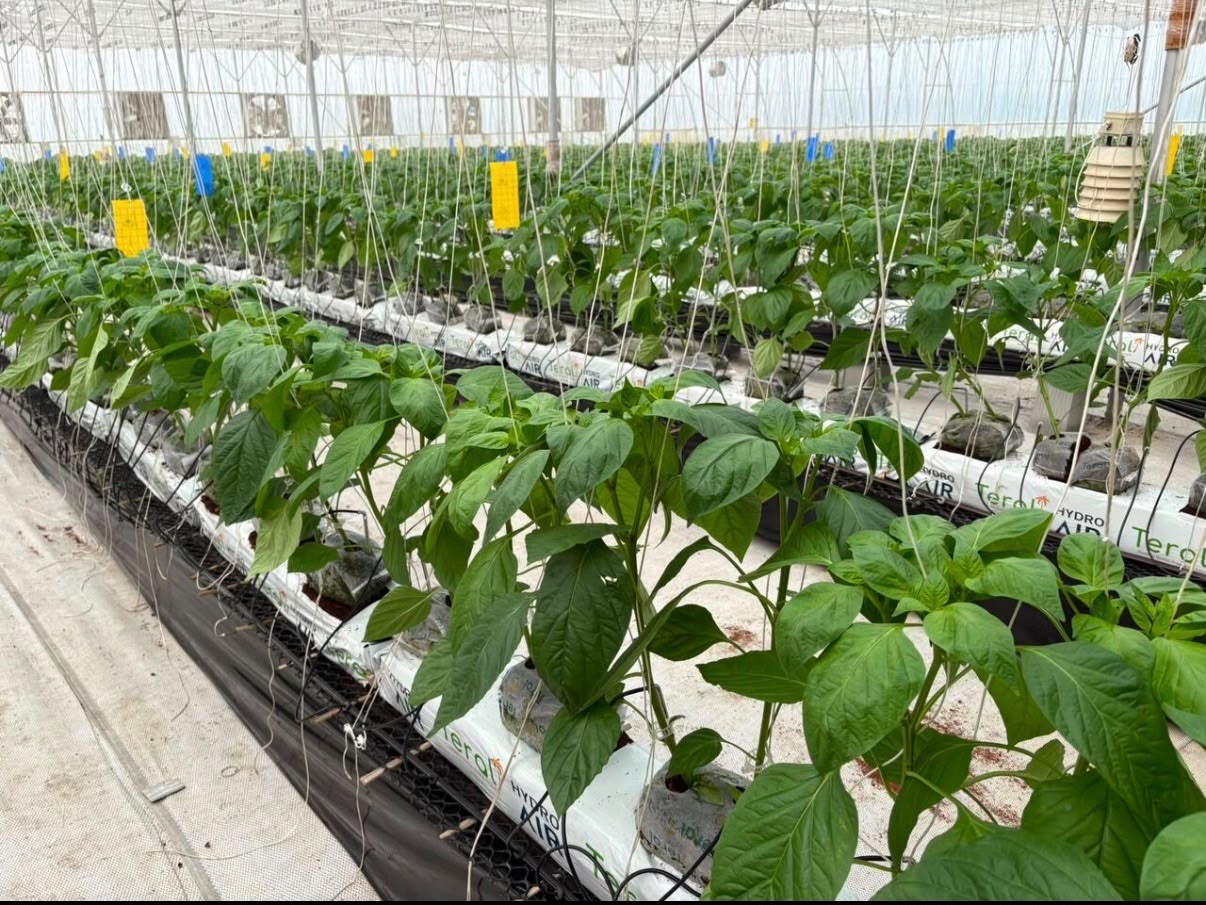
Describe where the filled bag will stand and how drainage will leave that surface. Openings can be obstructed if the support arrangement has not been considered. Send the bag layout and support details together so the intended drainage pattern can be discussed before supply.
For the media, request the particle-grade and treatment specification rather than relying on the product name. Our guide to cocopeat and coco chips explains why materials from the same coconut husk can have different structural roles. BLU blend details are handled through the product enquiry.
A clearer BLU enquiry
Include the blueberry cultivar, nursery container size, destination climate, planned production period and preferred BLU capacity. Add the support layout, irrigation arrangement, order quantity and delivery date. A drawing or photograph of the growing area helps make the discussion concrete.
If you are comparing two sizes, ask for samples of both and evaluate them using the intended filling and support system. Record the differences that matter to your operation: fit, handling, stability and drainage access. This gives you a practical basis for choosing between capacities without treating the largest bag as automatically the best one.
Technical references
Background reading from universities and horticultural research. Teral product options are subject to the agreed order specification.