
1. Identify the product and the job
A useful quotation joins the product format, material grade, treatment, measurement method and delivery details in one document. No single number is a complete quality specification.
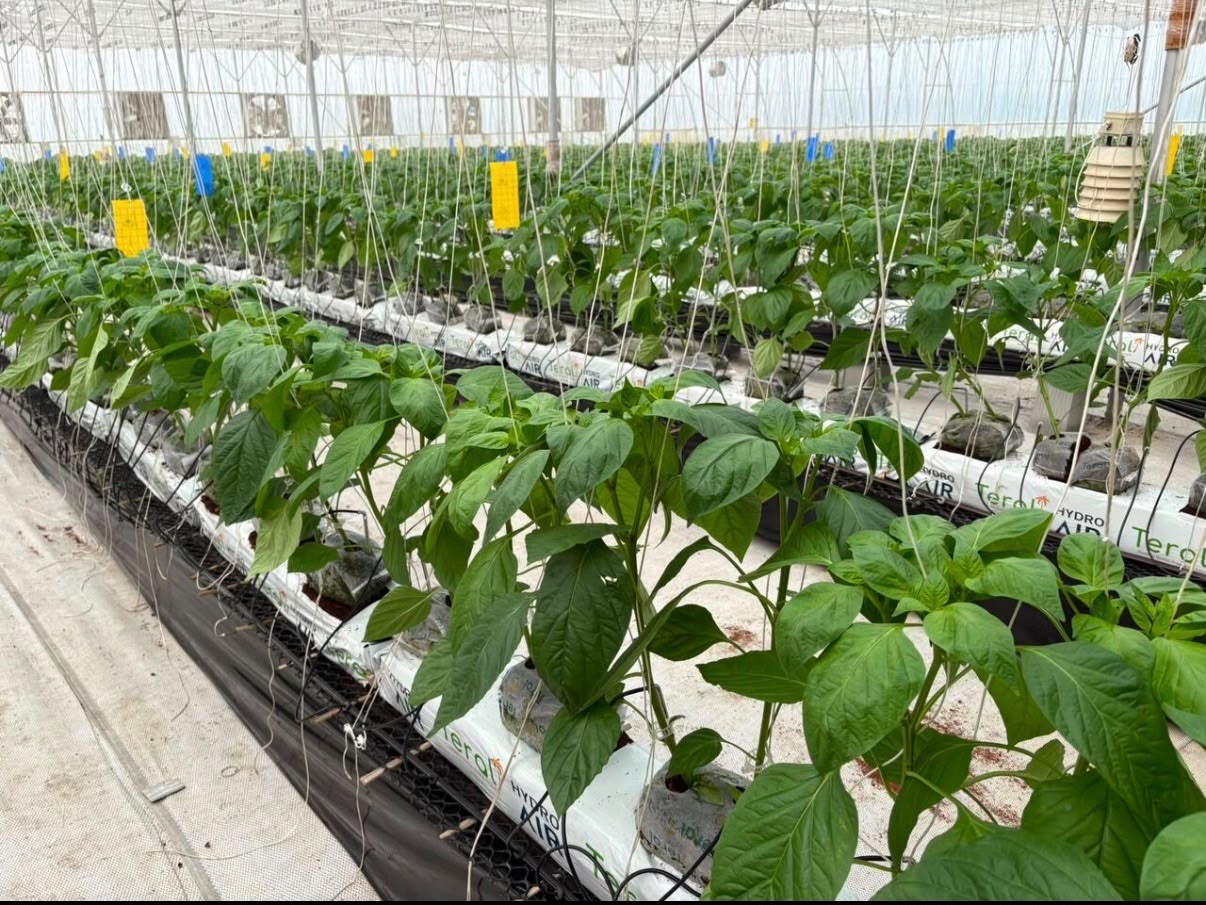
Start with the application: tray filling, propagation units, growbags, container media or substrate blending. Then identify the product format. A compressed chips block and a fine seedling substrate should not be compared as if their only difference is price.
Include the crop and growing system where relevant, but avoid assuming a crop name alone defines the product. The same crop can be managed in different containers and environments.
2. Put the test method beside EC and pH
EC results depend on the extraction procedure. Penn State notes that soluble-salt values vary with test method. Ask for the method and units beside each result, and compare values generated on the same basis. A smaller number from a more diluted extract is not automatically evidence of a better grade.
For pH, record the testing method and agreed acceptance range rather than describing the material only as “balanced.” Ask which batch the report represents and when the sample was tested. Water analysis is a separate input; a substrate report does not describe the water used on site.
3. Confirm whether buffering is specified
Washing and buffering should be explicit purchase requirements where applicable. Do not infer a buffering treatment from the words “low EC.” Ask the supplier to describe the supplied treatment grade in the quotation and sample documentation.
If you are comparing treatment options, read what low EC and buffered mean before placing the order.
4. Ask what the particle grade contains
“Fine,” “standard” and “coarse” need definitions. Request relevant sieve sizes in millimetres and the agreed limits for long fibre, oversize pieces and fines. The objective is a material description that can be checked again, not a more impressive grade name.
For a coir blend, agree the specification directly with the supplier. Public marketing descriptions need not disclose every formulation detail, but the purchased grade still needs to be unambiguous.
5. Separate weight, moisture and expanded volume
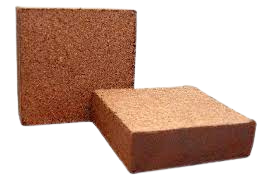
Record the nominal weight and moisture basis for compressed products. Specify expanded volume with its test procedure. For loose products, confirm the declared-volume basis and filling expectations.
Teral’s 5 kg block comparison shows why cost per expanded litre can be more useful than price per block. Keep volume and chemical treatment as separate choices: high expansion does not, by itself, establish an EC or buffering specification.
6. Match the sample to the order
Label the sample with its grade and reference number. Keep the evaluation notes with the quotation so an accepted sample cannot be confused with a different material discussed later.
A certificate of analysis is useful when its results, batch identity and methods are clear. It is not a substitute for checking how the product fits your operation, and a generic data sheet should not be mistaken for a batch-specific test report.
7. Close the packing and delivery questions
Confirm pack count, nominal unit size, pallet arrangement, destination and delivery timing. For bags, include planting and drainage requirements. For custom propagation units, include complete dimensions and units.
Send that specification to the Teral sales team with the intended quantity. It creates a stronger basis for quotation, sample review and repeat supply than asking for the “best cocopeat” without defining what best means for the project.
Technical references
Background reading from universities and horticultural research. Teral product options are subject to the agreed order specification.