Start with the material
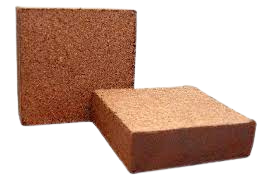
Cocopeat is the pith fraction of coconut husk. Despite its name, it is different from sphagnum peat moss. Coco chips are larger pieces of husk. Both are used in horticultural substrates, either as separate grades or as components of a mix.
Fine and coarse describe particle distributions, not complete product specifications. A material can contain a range of particle sizes, and two suppliers may use the same grade name for different sieve profiles.
What particle size changes
Finer coir tends to retain more water, while larger particles create larger spaces between pieces and can encourage drainage. Roots need access to both moisture and oxygen. Increasing the coarse fraction changes that balance, but does not produce a fixed performance value on its own.
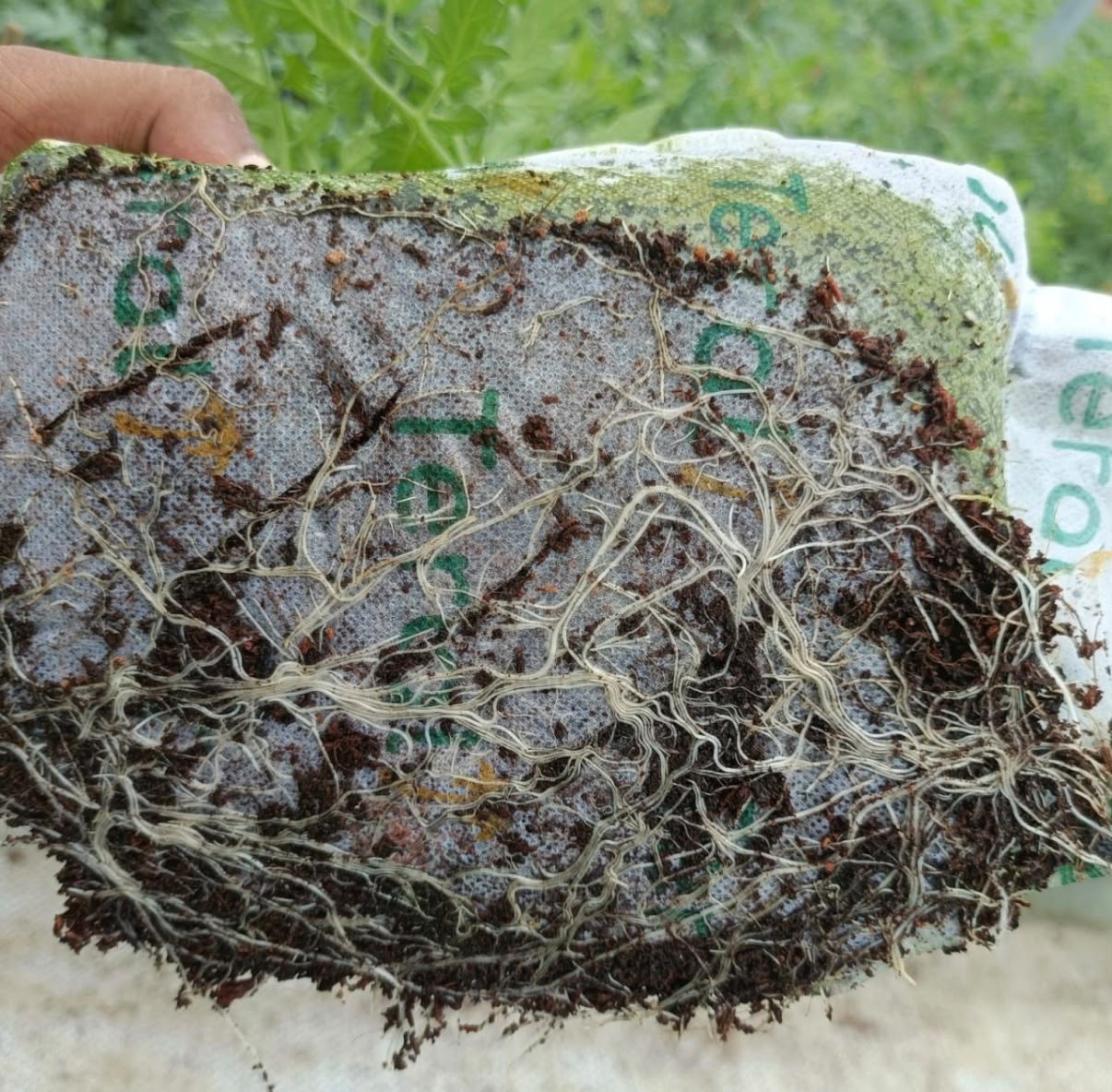
Look at the finished substrate, not just its ingredients. Fines between larger pieces, the way the media is packed, and the container all contribute to how it behaves. This is why a blend percentage cannot replace a physical evaluation in the intended format.
Choose around the application
A nursery filling small cells has a different brief from a grower ordering large container bags. The nursery needs a texture that fills consistently; the container buyer needs to consider the complete media and container combination over the intended production period.
For a Teral enquiry, begin with the crop and growing stage. Then identify the format: seedling substrate, propagation cube, growbag, open-top bag or loose media. This keeps material selection connected to how the product will actually be used.
What to ask for in a quotation
- A sieve profile with sizes expressed in millimetres.
- The agreed limits for fines, long fibre and oversize pieces.
- Whether the material is low EC, buffered, or supplied to another treatment specification.
- Pack volume or expanded dimensions, with the measurement basis.
- A representative sample for your filling and growing-system evaluation.
At Teral, particle grade and treatment belong in the same brief as bag size and packaging. Customisation is most useful when these details are agreed together.
Technical references
Background reading from universities and horticultural research. Teral product options are subject to the agreed order specification.