1. Clean first, then disinfect
Old roots and growing media can shelter plant pathogens and reduce the effectiveness of disinfectants. UMass Extension’s greenhouse sanitation guide puts physical cleaning before disinfection. Remove debris and wash reusable trays and work surfaces before applying the appropriate treatment.
Choose a product approved locally for the intended use and surface. Follow its label for dilution, contact time, protective equipment and any rinsing requirements. A quick splash is not a substitute for the specified procedure. Never mix cleaning chemicals.
Do not automatically return trays from a diseased crop to production. UMass advises avoiding their reuse. Make that decision before cleaned and suspect equipment become mixed together.
2. Protect the clean filling area
UMass also recommends keeping growing media covered in a clean storage area, excluding dirty containers and old media from mixing areas, and keeping hose nozzles off the floor. Apply those principles to the complete route from storage to the filled tray.
Follow one tray from storage to sowing. Identify where it is set down, which tools touch it and who handles it. Give each handover an owner.
3. Understand what damping-off can look like
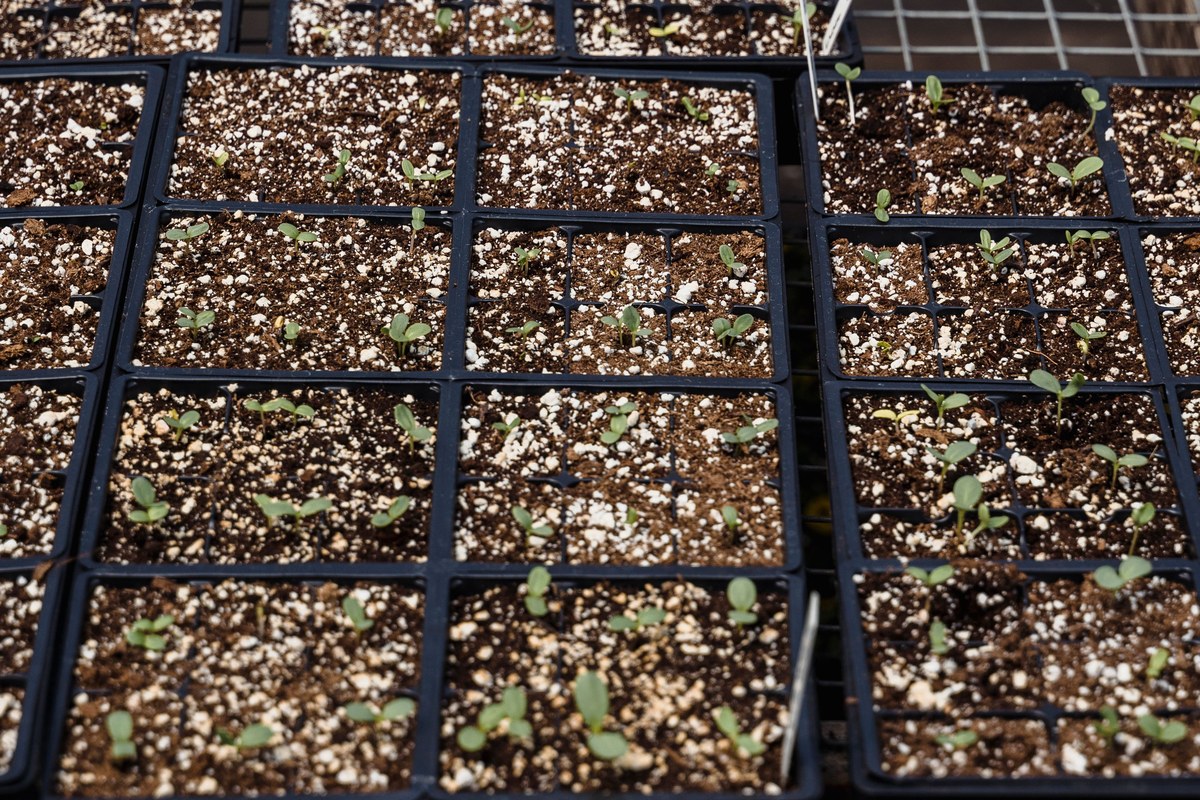
University of Minnesota Extension describes damping-off as a disease problem affecting young seedlings. Warning signs include poor emergence, soft or water-soaked tissue and stems that narrow near the media surface before seedlings collapse. Several pathogens can be involved; a failed tray is not a diagnosis by itself.
Contaminated tools, containers, debris and irrigation equipment can introduce or spread these organisms. Excess moisture and conditions that slow seedling growth can increase vulnerability. Provide drainage and manage moisture for the crop and tray: persistently soggy media is a reason to investigate.
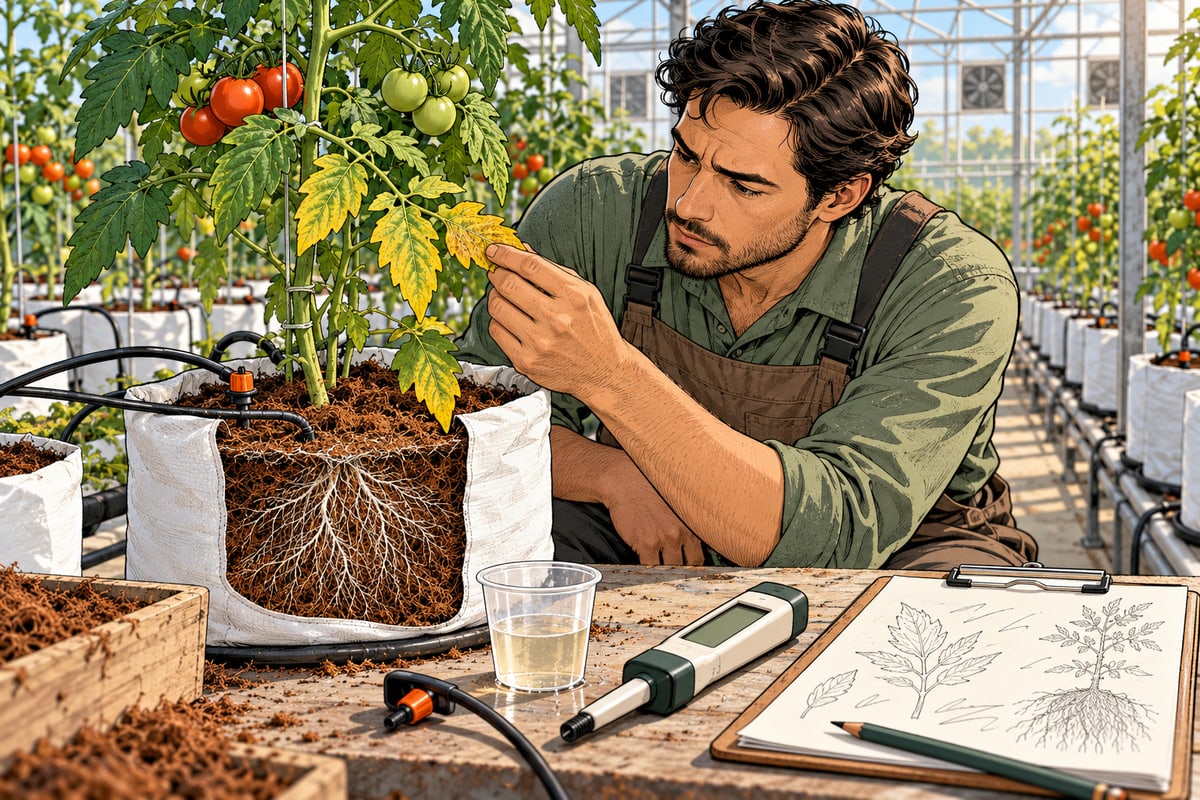
If losses appear, record their location and timing and seek diagnostic advice. Avoid treating every collapsed seedling as a substrate specification problem. Our crop troubleshooting guide explains how observations, root inspection and measurements can support a more useful investigation.
4. Keep the coir trial traceable
For a nursery comparing cocopeat grades, add a short preparation record to the trial sheet. This is an editorial workflow suggestion: its purpose is to make later comparisons easier, not to certify a batch as disease-free.
| Record | Useful detail |
|---|---|
| Material | Supplier product code, lot reference and opening date |
| Tray | Cell format, new or reused, preparation record |
| Crop | Species, seed lot, sowing date and bench location |
| Handling | Filling session, operator and equipment used |
| Observations | Emergence pattern, photographs and management changes |
Label trial trays so that the material reference remains readable after watering. Compare grades in the intended production cell, and document any difference in filling or irrigation practice. Otherwise, a material comparison can quietly become a comparison of two different routines.
5. Agree the release check before sowing
Before the next filling session, ask the nursery lead to sign off three questions:
- Has the planned tray and equipment preparation been completed and recorded?
- Can each filled tray be linked to its coir and seed references?
- Who will review emergence and investigate an unusual pattern?
For particle size and cell compatibility, read choosing cocopeat for seedlings. For interpreting supplier measurements, use our EC and pH report guide. Bring those records when discussing nursery substrate formats.
A useful substrate brief describes both the material and the nursery operation that will use it. Preparation records help connect those two parts of the conversation.
PLAN YOUR NEXT ORDER
Turn your requirements into a clear specification.
Share your application, preferred format and quantity with Teral.
Discuss your nursery substrate requirementsSources and further reading
Sources support the factual background; analysis and buying checklists are Teral editorial guidance. Check later notices before making a time-sensitive decision.