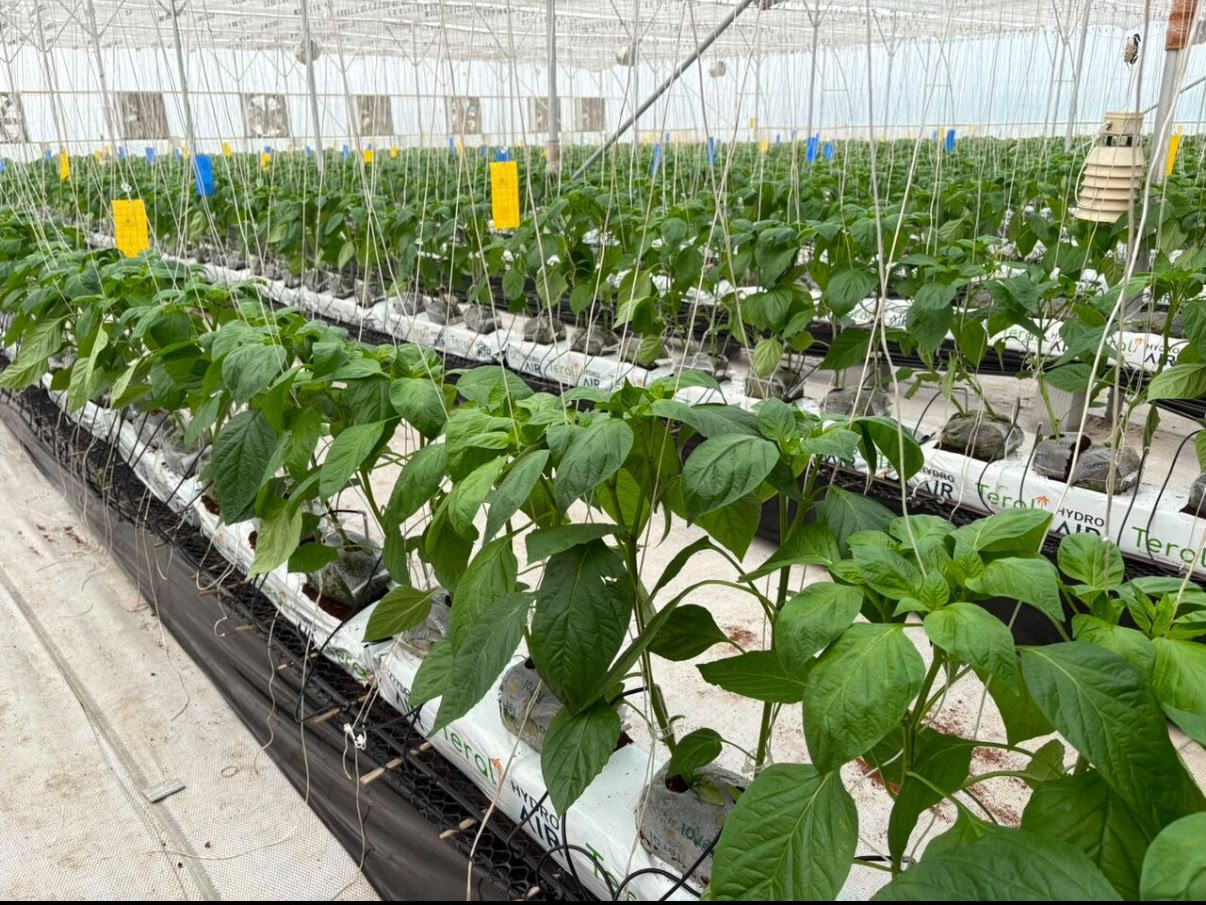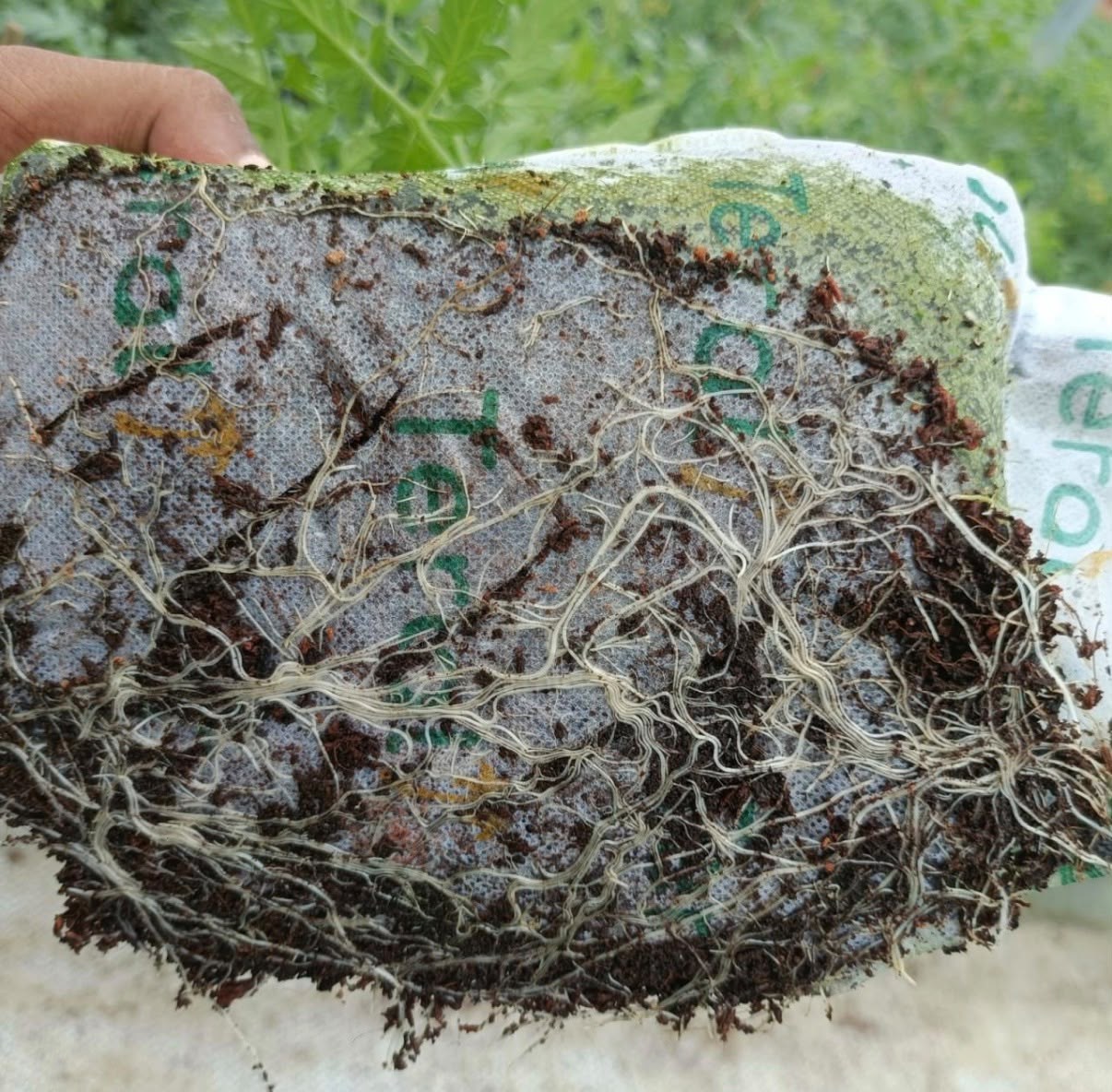
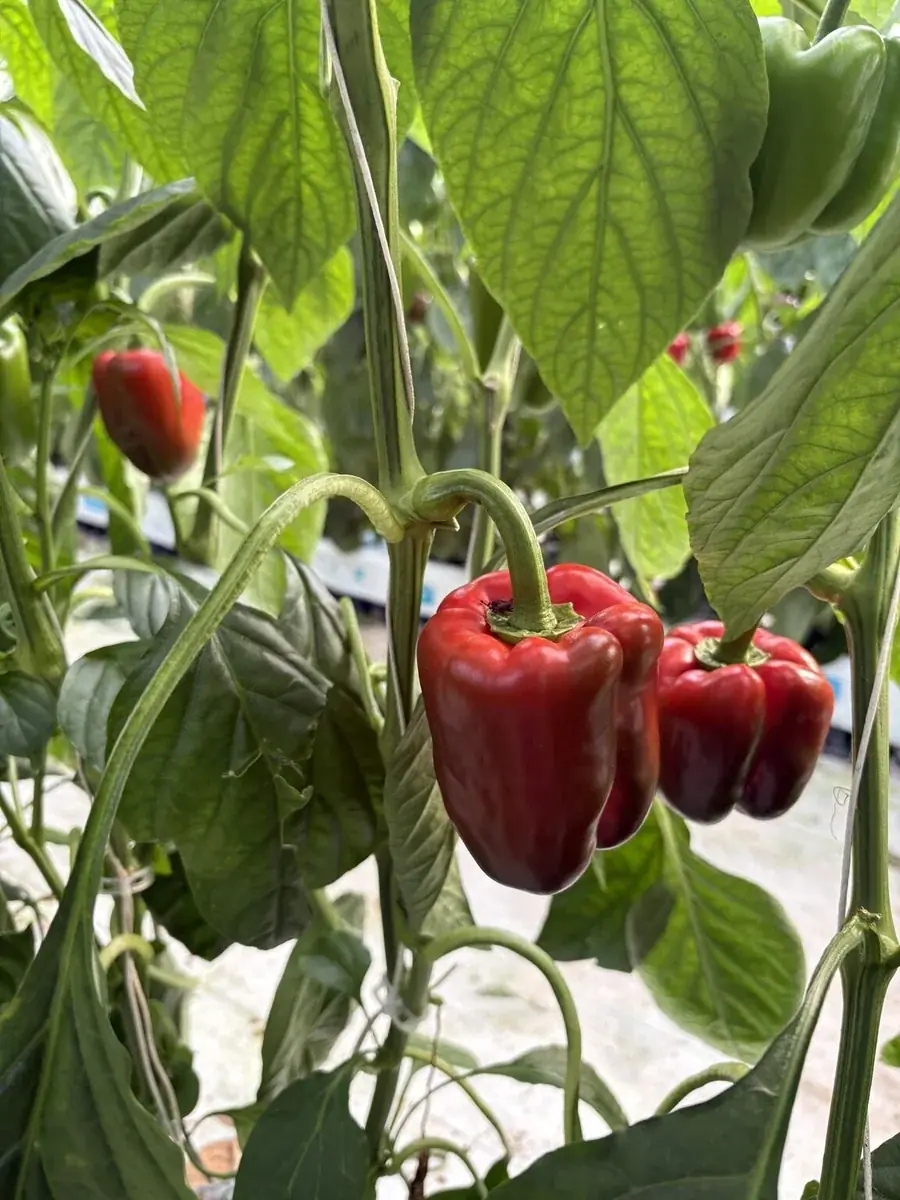
A grower’s field note
A public post about a bell-pepper harvest describes persistently warm conditions and high radiation while the crop was carrying fruit. It also raises concerns about flower drop, fruit sizing and blossom-end rot. Those are observations from one grower’s season, not a controlled trial or a Teral product result.
The photographs below are from that public post. They illustrate bell-pepper production only; they are not represented as images of a Teral customer or of Teral growbags.
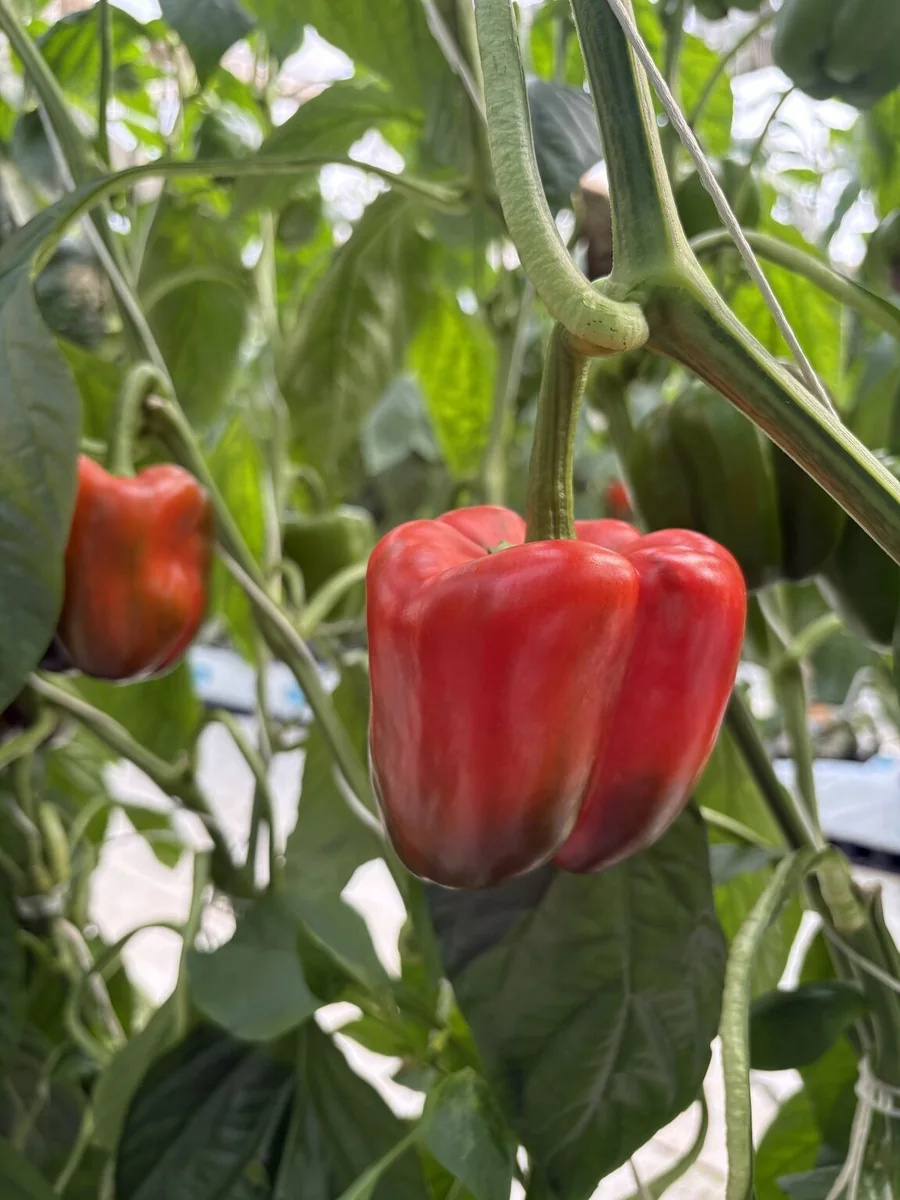
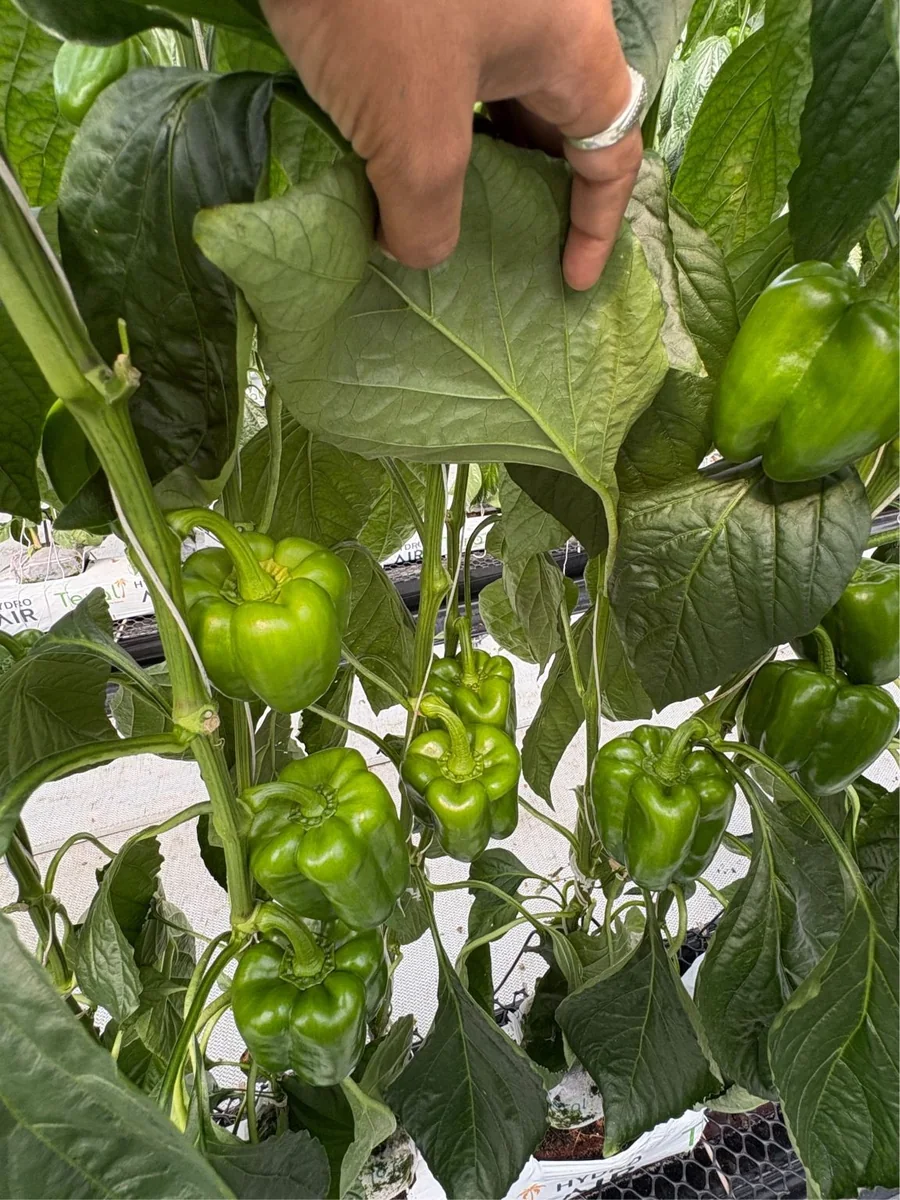
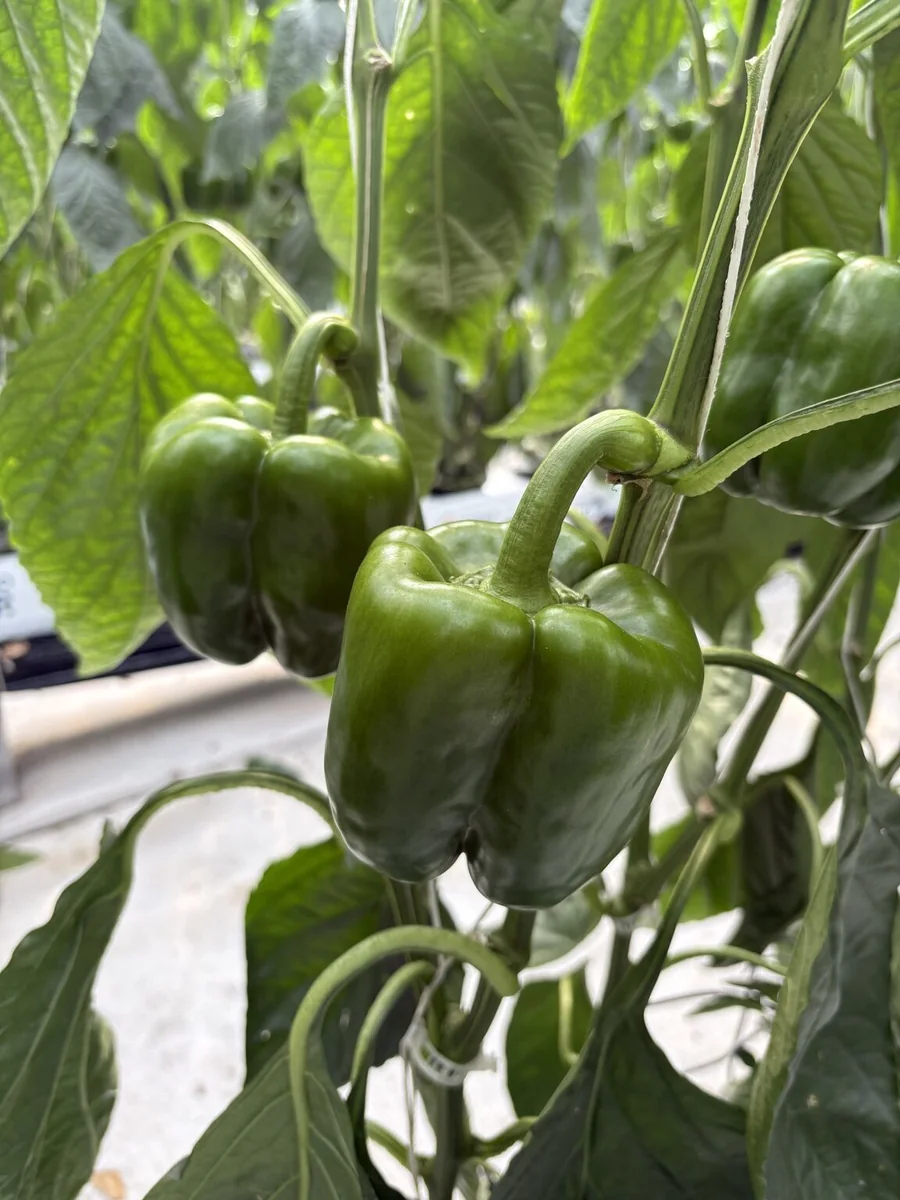
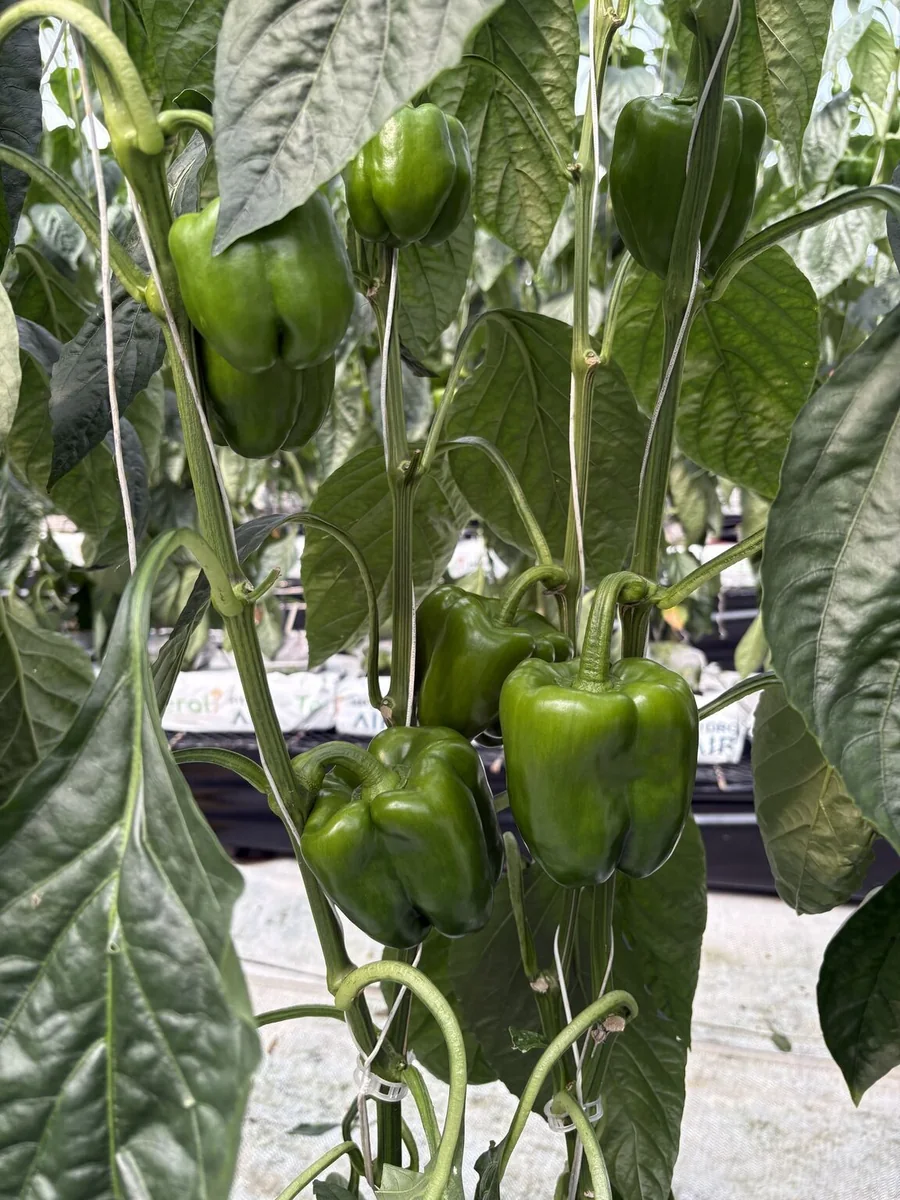
Photo source: Mohit Roop Rai’s public LinkedIn post.
Measure heat where the crop grows
Air temperature at the greenhouse wall may not describe what flowers and fruit experience inside the canopy. Track day and night readings at crop height and watch the 24-hour pattern alongside radiation, ventilation and shade use. A single midday reading can hide a warm night or a rapid afternoon rise.
Temperature guidance varies by cultivar, season and greenhouse system. Published production guidance can help frame a discussion, but growers should set operating targets with their local agronomist and their own crop records. Adjust shading and ventilation in response to measured conditions, not by habit alone.
Watch fruit set and crop load together
During flowering and early fruit development, record flower drop, new fruit set, fruit size and visible defects by row or zone. This makes it easier to see whether a change in climate control or irrigation coincides with a change in the crop. Keep cultivar, pruning, pollination and harvest timing in the record so comparisons remain useful.
Bell pepper fruit set can respond to temperature extremes. When a greenhouse is under heat pressure, a short weekly review of crop stage and fruit progression can help the team spot uneven sections early and decide what to investigate next.
Keep root-zone water delivery consistent
Blossom-end rot is associated with inadequate calcium reaching the developing fruit, but uneven water availability can contribute even when calcium is present in the growing medium. In a greenhouse system, check that irrigation is reaching the full row consistently and compare root-zone moisture and drainage across representative bags or slabs.
When symptoms appear, review irrigation timing, water quality, substrate condition and the crop’s nutrient programme together. Do not assume that adding calcium alone will solve the issue. Use measurements and advice from the crop’s agronomist before changing a nutrient recipe.
A simple weekly greenhouse review
- Log day, night and 24-hour temperatures at crop height.
- Record radiation or shade changes and the affected greenhouse zones.
- Track flower drop, fruit set, fruit sizing and visible defects by row.
- Check irrigation uniformity and root-zone moisture in representative growbags.
- Review water quality, drainage and nutrient delivery before changing inputs.
- Note each adjustment and compare it with the crop response the following week.
Consistent records help a large greenhouse team separate a weather effect from an irrigation, crop-load or nutrition issue.
Technical references
Background reading from universities and horticultural research. Teral product options are subject to the agreed order specification.