COIR SUBSTRATES · MADE IN INDIA · GROWN WORLDWIDEDownload catalogue
TeralBuild an enquiry

PLAN YOUR NEXT SHIPMENT

Plan the load.
Build the pallet.

Compare container capacity, see each pallet layer and estimate strapping and wrapping. Free to use; no account required.

01

Product & loading

Use compressed core dimensions, before the bag or sleeve. Growbag examples use 3 cm thickness; the 5kg block example uses 12 cm. Measure your actual product. These are not hydrated growing sizes or confirmed production specifications.

For bagged units, this amount is added once to each core dimension. Use the measured packed envelope, including seams and bulging. Bare units use no individual wrap weight.

02 / Pallet configuration

Editable footprints. The 20ft comparison targets up to 10 pallets and checks the actual fit. No pallet double-stacking or product overhang.

Cargo limits & loading allowances

Use your carrier and road-route allowance. The calculator uses the lower of this value and the fleet-example payload.

These are planning assumptions, not confirmed Teral pack specifications. Loaded height includes the pallet base. Pallet cargo must pass through the door; loose units may be stacked inside.

ESTIMATED CAPACITY

—units per container

Calculating your load…

Net product—
Cargo incl. packing—
Product packed volume—
Weight allowance left—

Discuss this load with Teral
Container floor plan

LAYER BY LAYER

Your pallet build.

One full layer · top view

Repeat this footprint vertically. Colour indicates orientation, not different products. Do not rotate alternate layers unless support and stability have been validated.

Loaded pallet · side view

FINISH THE UNIT LOAD

Strap. Protect. Wrap.

Material planning examples. Set counts and film coverage to match your tested packing specification.

These starting values estimate consumption; they do not specify a safe restraint system. Select strap grade, width, breaking strength, retained tension and joint efficiency with your packaging supplier.

PER HEAVIEST PALLET

Strapping including tails—
Applied film travel—

Film length is a geometric coverage estimate before machine pre-stretch, neck-down, waste and load compression. It is not roll consumption or film weight. Total cargo allowance must include the actual measured securing materials.

01 / Stack

Support every layer

Use a sound, rated pallet with a suitable deck sheet. Keep the product within the footprint and distribute weight evenly. Protect sleeve seams and exposed coir edges; keep an incomplete top layer centred and separately stabilised.

02 / Strap

Connect the load to the pallet

Use corner and top protection. Route the specified straps around the load and pallet structure, with suitable joints and controlled tension. Avoid fork openings and crushing the product. Recheck tension after the stack settles.

03 / Wrap

Contain and protect

Anchor film to the pallet, then overlap the upward passes and secure the top as specified. Choose a top sheet or cover for the moisture plan. Avoid trapping wet product; inspect the finished load for leaning, torn film and loose units.

Unitising a pallet with straps or film does not replace container blocking, bracing or lashing. Confirm stack strength, weight distribution and restraint with your packer and forwarder. See the IMO/ILO/UNECE CTU Code. For raw-wood export pallets and dunnage, confirm destination requirements and ISPM 15 compliance.

ONE SPECIFICATION. THREE OPTIONS.

Compare the containers.

Capacity based on the same product and loading settings
ContainerUnitsNet productCargo weightPallets usedConstraint

FROM TERAL’S PACKING FLOOR

Prepared for the journey.

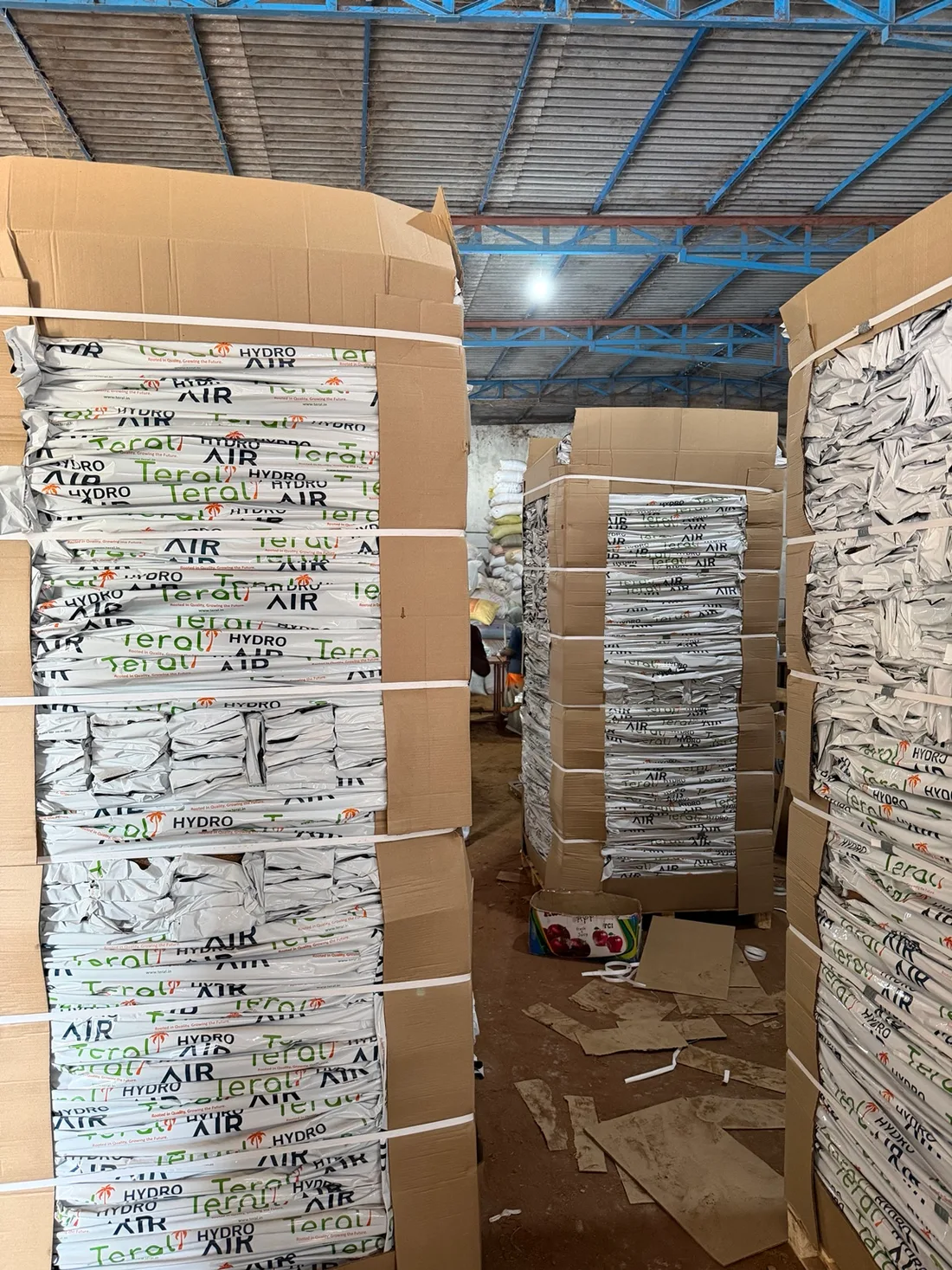
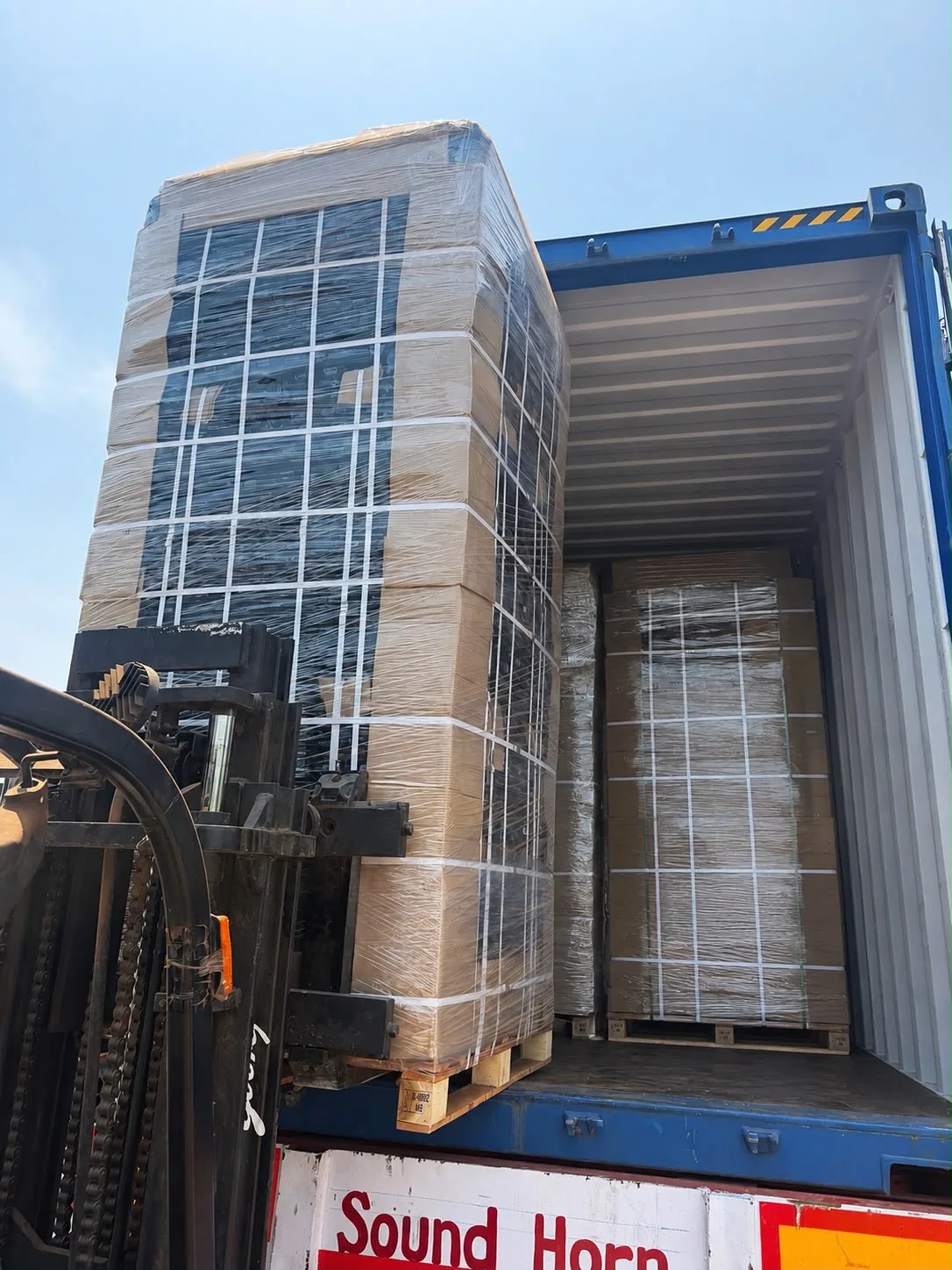
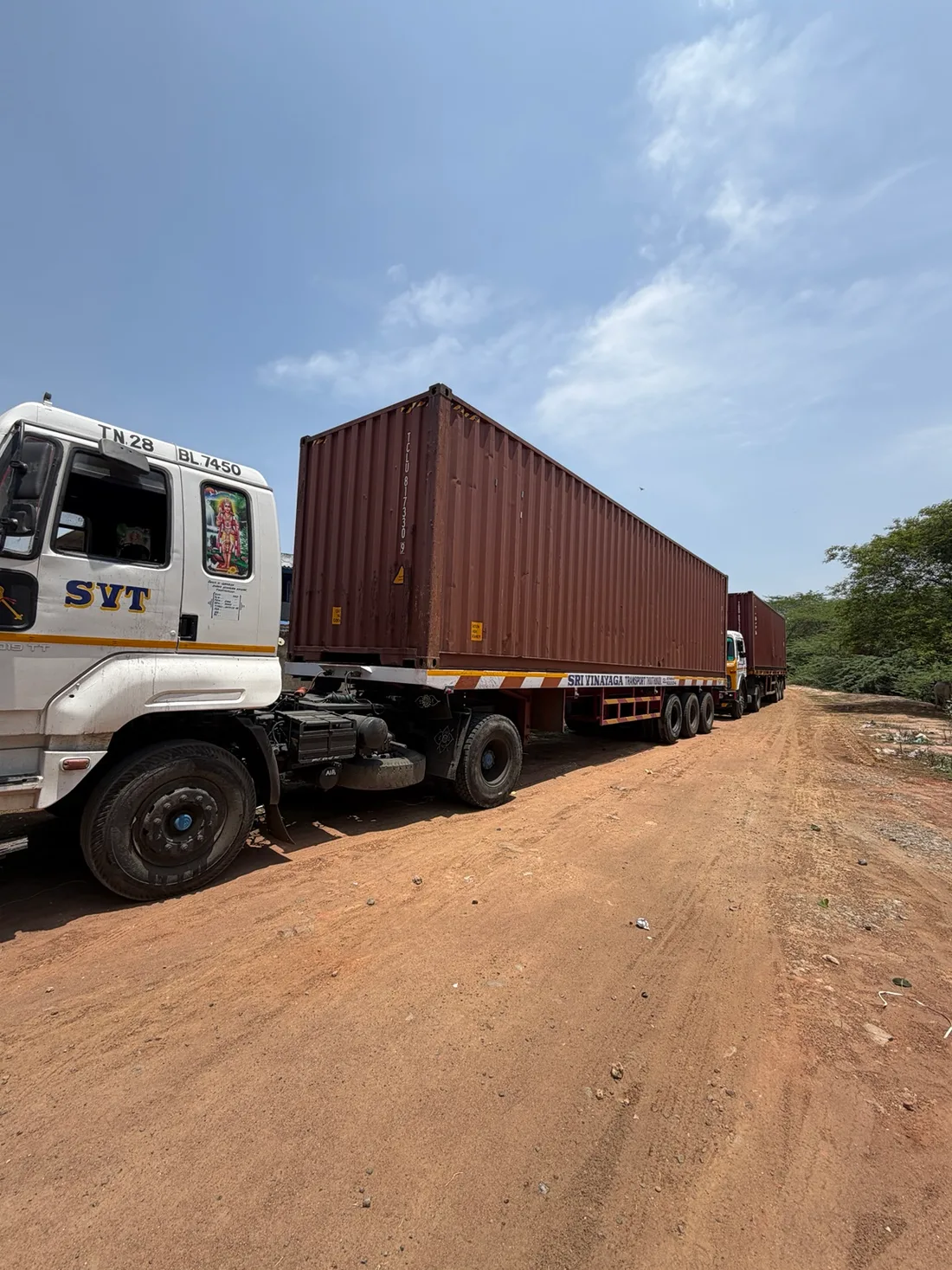
Actual packing and dispatch photographs shared by Teral. Images illustrate handling; they do not set the calculator’s dimensions or capacity.

Teral Hydro Air growbags stacked with protective cardboard and straps
Growbags stacked and secured for dispatch.
Forklift placing a wrapped and strapped pallet into a shipping container
Pallet loading at the container door.
Container trucks at the Teral dispatch yard
Container transport from the dispatch yard.

How the estimate works

Space and weight, checked together. Units use the core size plus the entered bag allowance. Packed units stay upright and may rotate on their base. The calculator compares straight grids and a pinwheel floor pattern, then applies whole layers and weight limits. It does not model mixed products, bag deformation, stack strength or every possible packing pattern.

Pallets: units per layer × layers are capped by the entered pallet load rating. Pallet weight, individual wrapping and securing material count towards the container cargo limit. The final pallet may be partly filled. Loose: units are loaded without pallets, using the entered packed dimensions and weight.

Before booking: confirm compressed dimensions, moisture-dependent weight, actual container and door measurements, pallet strength, forklift clearance, load distribution and route limits with Teral and your forwarder. This is a planning estimate, not a confirmed stuffing plan.

Container defaults are fleet examples from Hapag-Lloyd: 20ft standard, 40ft standard and 40ft high cube. Equipment varies. The 20/24-pallet footprints and product presets are editable examples.