Why the tray belongs in the brief
Cell width, depth and filling method should be considered together with the substrate. Media that is convenient in a large container may be awkward to distribute through small cells. Uniform filling matters because differences in the amount of substrate can also change how cells hold moisture.
Send the tray model or cell dimensions with an enquiry. Include the crop, intended nursery period and whether filling is manual or mechanical. These practical details help focus the sample evaluation.
Why we give fibre screening attention
For Teral seedling media, long-fibre and oversize removal are important parts of the requested grade. Strands or large pieces can make small-cell filling less even. A controlled texture helps the nursery assess seed contact and consistency from cell to cell.
That does not mean removing every fibrous particle or choosing the finest powder possible. The aim is a specified distribution that works in the tray. Ask for the screen profile and inspect the supplied sample instead of judging only by a photograph.
Evaluate the product in your nursery
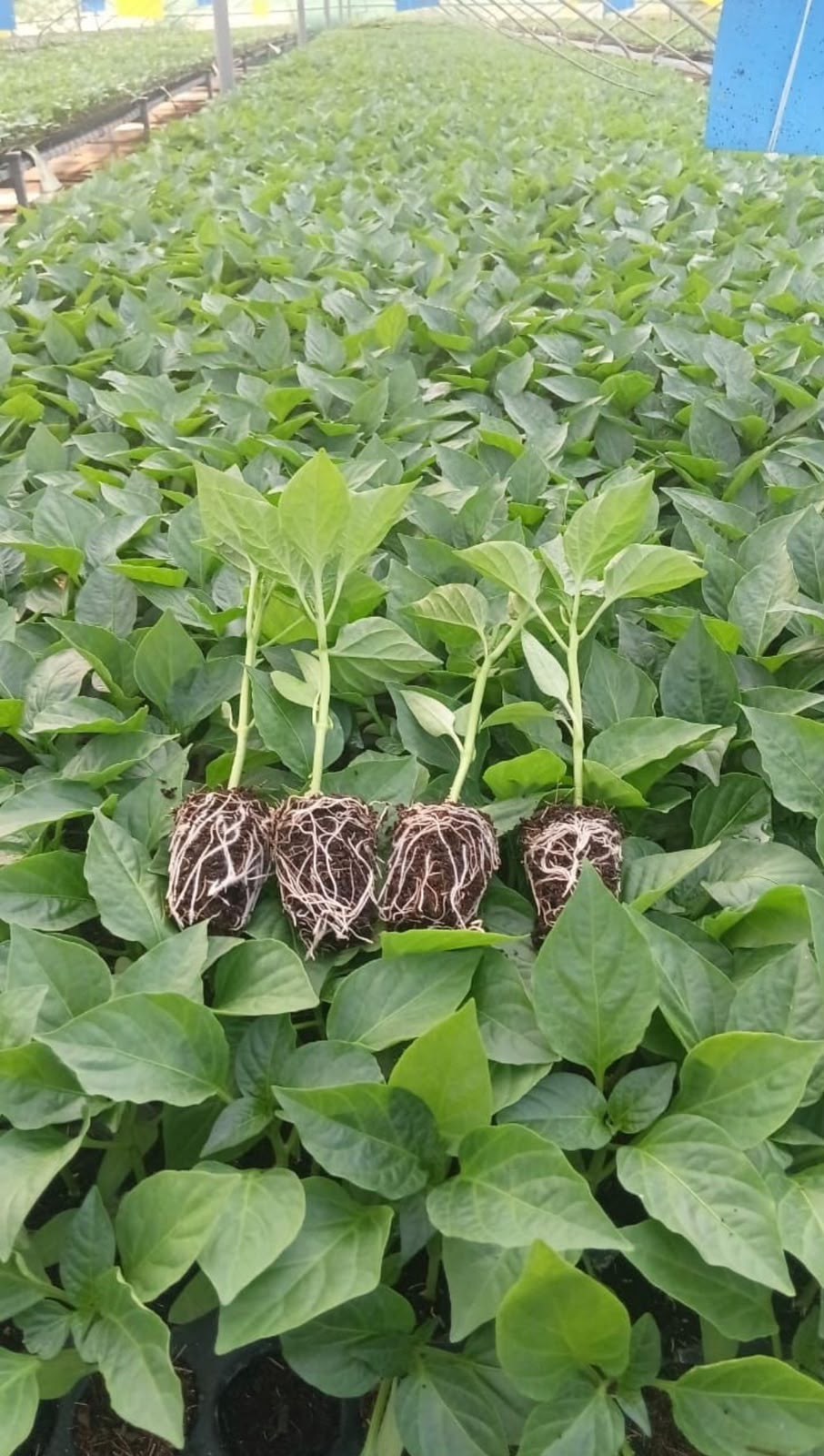
Try a representative sample with your normal filling equipment and handling process. Check the centre and edges of each tray, note whether the material distributes evenly, and compare the filled cells before beginning a larger trial.
Record the grade and batch reference used in the evaluation. Include pH and EC testing in the review, using the agreed methods. Physical appearance alone cannot establish chemical suitability or guarantee germination.
Loose substrate, coins or cubes?
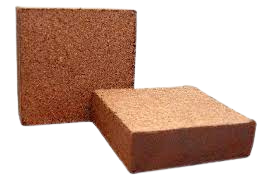
Teral seedling substrate is supplied in 50 L bags for nursery filling. Coins provide individual compressed formats; nonwoven propagation cubes provide a different young-plant handling format. Choose around the nursery workflow and the receiving container rather than treating them as interchangeable.
A 60 mm coin can be discussed for a papaya programme. The available diameter, expanded height and suitability still need confirmation. Vegetable nurseries can also discuss formats for tomato, capsicum, cucumber, leafy greens and herbs.
- Identify the crop and tray or individual plug format.
- Agree particle grading and fibre screening.
- Specify treatment and chemical test methods.
- Evaluate a sample under your own nursery conditions.
- Confirm the pack size, quantity and final order specification.
Technical references
Background reading from universities and horticultural research. Teral product options are subject to the agreed order specification.